Game Book Tool Interior for KDP Vol-3
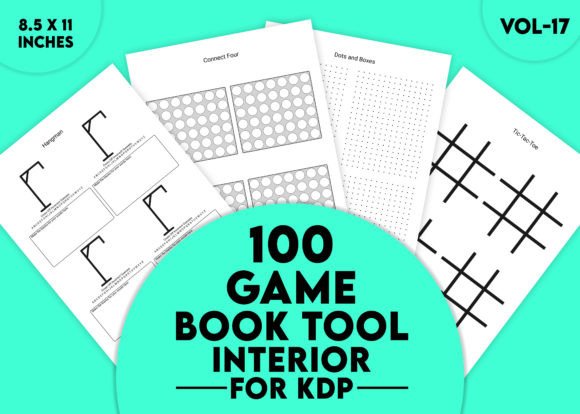
There's something quietly satisfying about pulling out a paper game book instead of staring at yet another screen. The Game Book Tool Interior for KDP Vol-3 captures exactly that feeling. It's a 100-page collection of four classic games, sized at a generous 8.5 by 11 inches, which gives you plenty of room to actually play without squinting or cramping your handwriting. What makes this particular interior different is how thoughtfully each game template has been laid out. Every page feels intentional, not just thrown together.
Whether you're a publisher looking to build a new KDP product or someone who simply appreciates having go-to games in a clean, printable format, this tool offers a lot of flexibility. You can use it as-is, rebrand it, or pull individual pages for travel kits, classroom activities, or even casual game nights at home.
What's Actually Inside the 100 Pages
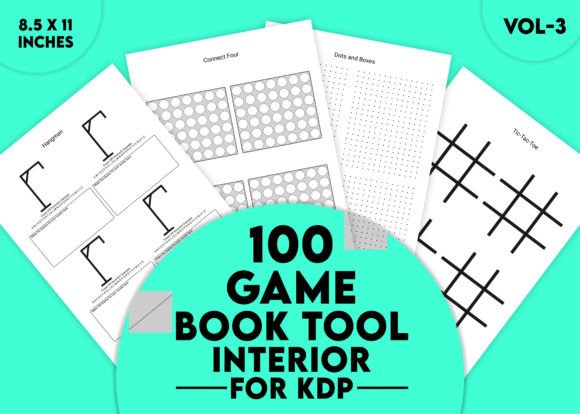
The book includes four well-known games: Connect Four, Dots and Boxes, Hangman, and Tic-Tac-Toe. But calling them just "classics" undersells how versatile they become when formatted this well. Each game type gets dedicated pages with clear grids, field setups, and space to track turns and wins. The interior keeps everything consistent, so flipping between games feels seamless.
- Connect Four pages use a vertical grid layout optimized for the 8.5 x 11 format.
- Dots and Boxes spreads give you room to build larger dot matrices without crowding.
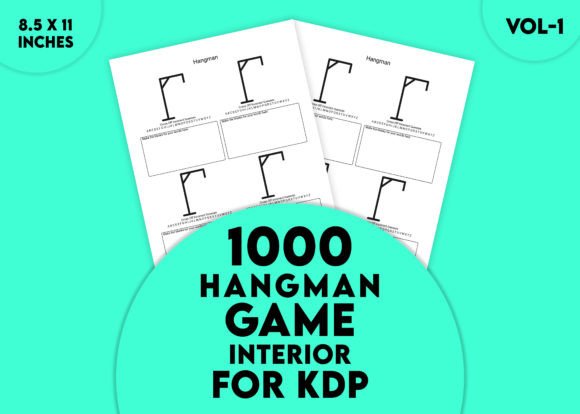
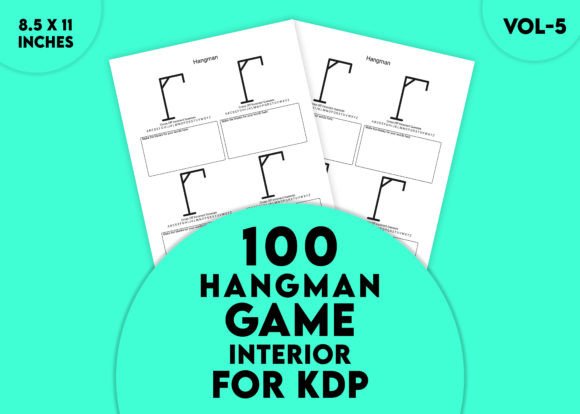
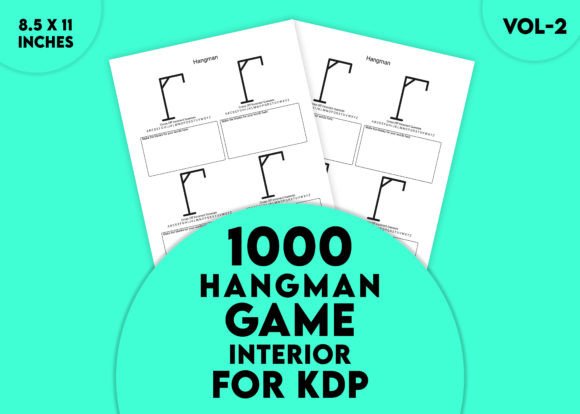
- Hangman templates balance letter tracking space with the visual hangman progression.
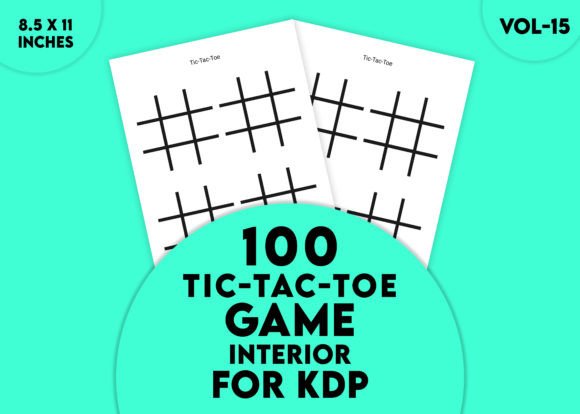
- Tic-Tac-Toe boards come in arrangements of two or four per page, depending on the variant.
You get 100 pages of this, which means you're not running out after a week of casual play. It's enough content to last months of on-and-off use, or to create multiple copies for events, classrooms, or gift book bundles.
Connect Four on Paper Hits Differently
Connect Four is a two-player game where the objective is to get four pieces of your color in a row, either vertically, horizontally, or diagonally. On a screen, it's a quick dopamine hit. On paper, it becomes more deliberate. You're marking discs with a pen or coin, thinking a little longer about each move, and actually watching the board fill up physically. The Game Book Tool Interior for KDP Vol-3 handles this well by giving each Connect Four board enough breathing room. The grids don't feel cramped, and the columns are clearly defined.
For parents and educators, this paper version of Connect Four teaches spatial reasoning without the distraction of animations or sound effects. Kids slow down and engage with the game differently. You can even color the discs for a personalized touch, something no digital version lets you do meaningfully. And because the interior is designed for standard letter-sized paper, it prints cleanly at home or through any print-on-demand service.
Why the 8.5 x 11 Format Makes a Difference
That 8.5 by 11-inch trim size matters more than people realize. It's the same dimensions as standard letter paper, so anything you print from this interior looks right at home in a binder, on a clipboard, or slipped into a document sleeve. You're not wrestling with odd margins or unusual proportions. For KDP publishers, this size also keeps production costs predictable and compatible with Amazon's standard print options. Customers browsing for game books will recognize the size instantly, and that familiarity often translates into higher purchase confidence.
Dots and Boxes: Deceptively Strategic
Dots and Boxes is also a two-player game where players take turns drawing lines between dots to create squares. The player with the most squares at the end of the game wins. On the surface, it looks simple, but anyone who's played a few rounds knows there's genuine strategy involved. You learn when to sacrifice a square and when to bait your opponent into giving up a chain.
The Game Book Tool Interior for KDP Vol-3 includes Dots and Boxes grids at comfortable scales. Each dot grid spreads across the page nicely, so you're not accidentally connecting the wrong dots because they're too close together. That kind of usability detail makes a real difference, especially when you're playing with someone who's new to the game. Clear spacing reduces errors and keeps the experience enjoyable rather than frustrating.
Business professionals using this for icebreaker activities or team-building exercises will appreciate how unintimidating Dots and Boxes looks. It's quick to explain, and the rounds wrap up fast, which keeps energy up in group settings. You can also reuse the pages by scanning or photocopying from the book, making it a sustainable resource for repeat use.
Hangman as a Word-Building Tool
Hangman is a word game where one player thinks of a word and the other player tries to guess it by suggesting letters one at a time. If the letter is in the word, it is revealed in its correct position. If not, a body part is added to a hanging man drawing. The game ends when the word is guessed or the hanging man is completed. While often seen as a children's game, Hangman works remarkably well with adults, especially when the word categories shift toward professional vocabulary, industry jargon, or even foreign language practice.
The templates in this interior include dedicated areas for the word display, incorrect letter tracking, and the hanging man progression itself. Everything's placed logically so you're not hunting around the page wondering where to write the next guess. Teachers and language tutors will find this format especially useful because the layout supports clear visual tracking. Students can see their progress (or mistakes) at a glance, which reinforces letter pattern recognition naturally. The Game Book Tool Interior for KDP Vol-3 gives you enough Hangman pages to work through dozens of sessions without repeating the same sheet twice.
Tic-Tac-Toe: More Nuanced Than You Remember
Tic-Tac-Toe is a two-player game where players take turns placing X and O. The first player to get three in a row, either vertically, horizontally, or diagonally, wins. Most adults dismiss it as a solved game, but when you play tournament-style across multiple boards, it becomes a light competition of focus and pattern recognition. This interior includes pages with multiple Tic-Tac-Toe boards per sheet, so you can track wins across rounds and declare a champion after ten or twenty quick matches.
It's also a fantastic travel game. Fold a sheet in half, bring a small pen, and you've got entertainment for a restaurant wait or a train ride that requires zero battery. The 8.5 x 11 pages resize cleanly if you choose to print them at a reduced scale for compact kits, though the standard size is already portable enough for most bags and folders.
Practical Applications Across Different Users
This interior suits a surprisingly broad range of people. Publishers on KDP can use it as a foundation for a branded game book with minimal design work. Just apply your own cover, add introductory pages, and you've got a product ready for market. The consistent formatting across all 100 pages means you won't spend hours adjusting grids or fixing alignment issues.
Coworking spaces and creative studios often keep simple paper games around for mental resets. Having these four classics in one tidy volume beats loose printouts that get crumpled or lost. The book format also signals a small investment in break-time culture, something that employees and members tend to notice and appreciate.
Families homeschooling or supplementing traditional education will find the games useful for logic, spelling, and spatial development without the friction of app permissions or screen time negotiations. Everything's right there, pencil-ready, and the 100-page count ensures longevity across a school year or summer break.
What Makes This Interior Stand Out for KDP
From a publisher's perspective, the Game Book Tool Interior for KDP Vol-3 removes the heavy lifting of page layout and game asset creation. You get a ready-to-upload interior that covers four proven game types, all formatted for a popular trim size. The variety across 100 pages gives the final product a substantial feel, which customers associate with value. A thin game book often feels flimsy; this one doesn't.
Marketers and bloggers who create lead magnets or bonus content can also pull from this interior. Repurpose a few Tic-Tac-Toe or Dots and Boxes sheets into a free printable PDF, credit the source, and you've got something genuinely useful for your audience. The games are universally understood, require no instructions beyond a line or two, and appeal across age groups, which increases shareability.
Graphic designers or print shop owners might use the interior as a base template for custom client work. Adjust the grids slightly, add company branding in the margins, and suddenly it's a promotional item for a real estate agency or a dental office waiting room. The bones are solid enough to build on without starting from zero.
Long-Term Value and Reusability
One of the quieter strengths of this interior is how well it holds up over time. The games don't expire. Trends don't make Connect Four or Hangman obsolete. What works this year will work a decade from now, which matters whether you're selling the book on Amazon or printing copies for personal use. The 100 pages give enough runway that regular players won't burn through the book in a weekend, yet the variety across four games keeps the experience from feeling monotonous.
If you're assembling travel kits, gift baskets, or activity packs, including this game book adds a tactile element that digital games can't match. People remember the feeling of writing in a physical book, arguing playfully over Dots and Boxes strategy, or the groan when someone spots a missed Tic-Tac-Toe threat a second too late. That's the kind of interaction this interior enables repeatedly across all 100 pages.
Overall, the Game Book Tool Interior for KDP Vol-3 delivers exactly what you'd hope: clean, well-proportioned game templates, a practical page count, and a standard trim size that works across printers and platforms. It's not trying to reinvent anything, and that's exactly the point. Sometimes you just need the classics, done right, ready to go.