Evaluating Hangman Interior for KDP Vol-2: A Practical Guide for Puzzle Book Creators
Self-publishers who create activity books know that interior layout can make or break a product. The Hangman Interior for KDP Vol-2 is a ready-made, editable PDF designed specifically for authors and designers building hangman puzzle books for Kindle Direct Publishing. With 1,000 pages and four games per page, this large-format file aims to streamline the production process. But is it the right tool for your project? This article examines its structure, strengths, limitations, and the scenarios where it delivers the most value — without hype or fluff.
What the Hangman Interior for KDP Vol-2 Actually Offers
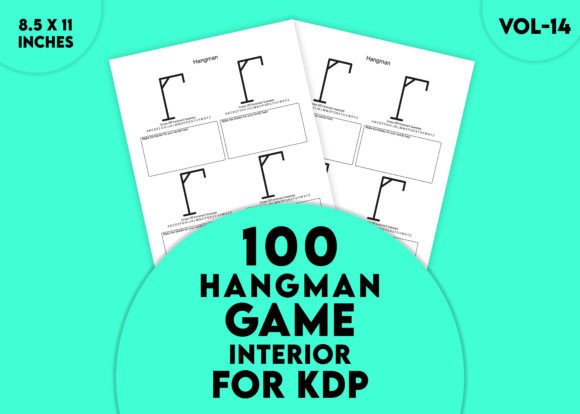
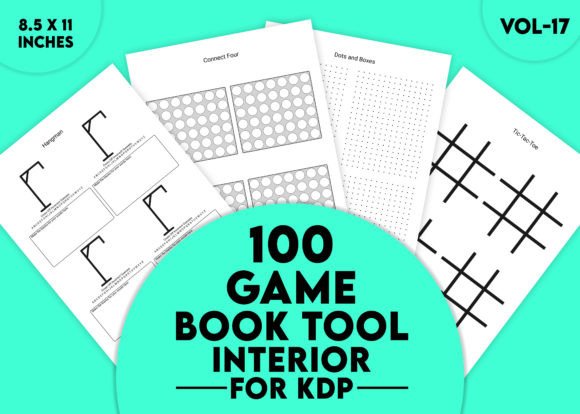
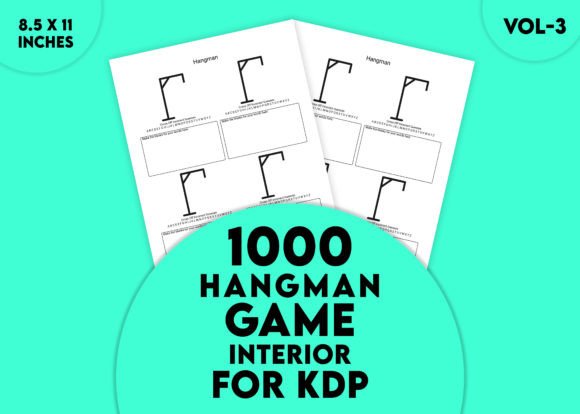
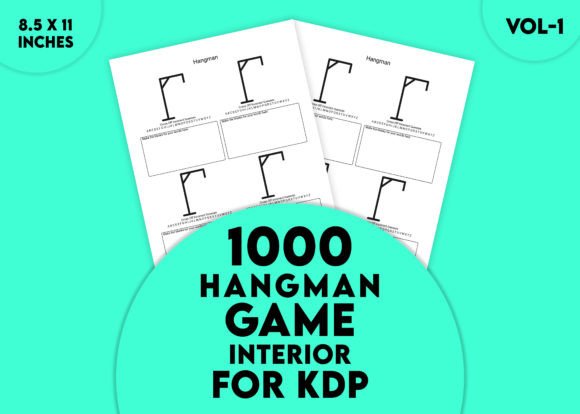
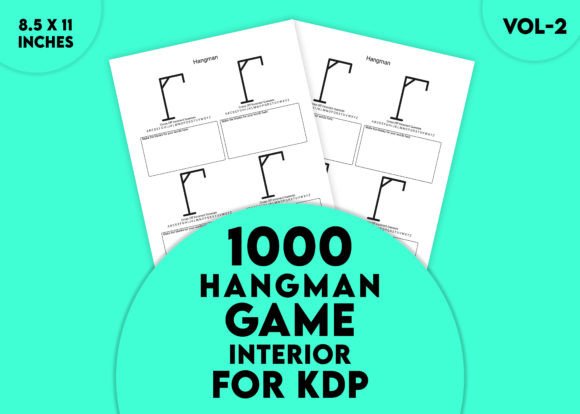
At its core, this product is a digital template formatted for 8.5 × 11 inch pages — the standard letter size that many print-on-demand puzzle books use. The file contains 4,000 individual hangman game layouts spread across 1,000 pages, with exactly four game frames per page. This density keeps page counts manageable while still providing substantial content for the end user.
Unlike static PDFs, the file is editable. This means you can insert solution letters directly into the game spaces, customize headers, add difficulty levels, or adapt the design to match a book series aesthetic. For KDP creators who find themselves repeatedly laying out identical game pages from scratch, this volume eliminates dozens of hours of repetitive design work.
The large trim size is worth noting. 8.5 × 11 inches gives generous space for letter boxes and simple hangman gallows drawings, which benefits younger players or older adults who prefer clear, uncluttered pages. The wide format also reduces the need for complex margin adjustments when uploading to KDP’s paperback or hardcover options.
Who Might Benefit Most From This Interior File
This isn’t a one-size-fits-all solution. Its design points toward specific publishing goals and audience segments. Understanding whether you fit these profiles can save time and money.
Volume-Focused Puzzle Book Publishers
If your strategy relies on producing multiple puzzle books quickly — for seasonal niches, gift markets, or broad keyword categories — the Hangman Interior for KDP Vol-2 offers a clear efficiency play. Pre-formatted pages reduce the per-book layout time from days to hours. For a publisher who releases ten hangman titles a year, that compounding time savings matters.
Creators Targeting Family or Classroom Use
The four-games-per-page layout creates a workbook feel that suits educational environments, road trip activity books, or senior brain-training collections. The 1,000-page heft gives the impression of a substantial value, which can justify higher retail pricing in categories where page count influences perceived worth.
Designers Who Want a Customizable Baseline
Not everyone needs a blank canvas. Some creators prefer a solid foundational layout they can modify rather than building from zero. This interior file acts as that baseline — you can add themed graphics, instructional text, or decorative borders without touching the core game grid structure.
The Practical Tradeoffs and Limitations
Balanced evaluation requires honest discussion of potential drawbacks. No template suits every project, and recognizing misalignments early prevents costly rework.
The Commitment of 1,000 Pages
A 1,000-page book isn’t appropriate for every niche. Printing costs rise with page count, and KDP’s minimum pricing calculations consider production expenses. If your target audience expects slim, budget-friendly puzzle books under $5, a 1,000-page interior may force the price beyond what impulse buyers accept. In those cases, splitting the content into multiple smaller volumes or using only a portion of the file could be smarter.
Fixed Layout, Flexible Context
While the PDF is editable, the underlying grid structure remains constant. Every page holds four games in the same arrangement. This consistency is great for batch production but limits design diversity. Creators who want visual variety — alternating layouts, mixed puzzle types, decorative sidebars — may find the template too rigid. You’d need to manually adjust or augment the file, which chips away at the convenience benefit.
Editable Doesn't Mean Automatic
New publishers sometimes misinterpret “editable PDF” as “auto-fill from a spreadsheet.” This is a manual template. You’ll still need to type or paste solutions into each game individually, unless you invest in PDF form automation software or scripts. For 4,000 games, that’s a significant data entry task. The time saved on layout shifts to content insertion, so factor that into your production timeline.
Comparing This Approach to Alternatives
Before committing, it’s useful to measure the Hangman Interior for KDP Vol-2 against other common methods of creating hangman puzzle interiors.
Manual Layout in Software: Using programs like InDesign, Affinity Publisher, or even Canva gives full creative control but demands more time and skill. A 1,000-page layout with consistent spacing, correct bleed, and printable margins isn’t trivial. The template trades some originality for speed here.
Puzzle Generation Software: Several tools can auto-generate hangman pages with solutions. These often allow variable difficulty, theme integration, and bulk export. However, the output may lack the polished, uniform appearance of a professionally designed template unless you invest in customization. Software subscriptions or per-book fees may offset upfront template costs.
Hiring a Layout Designer: Freelance book formatters charge per page or per project. For a 1,000-page interior, design fees could easily exceed the cost of a pre-made template. The tradeoff is a fully bespoke design tailored to your brand. For one-off flagship books, that investment may be justified; for rapid-release series, the math favors templates.
Other Pre-Made Templates: The market includes various hangman interiors, though many are smaller page counts or formatted for different trim sizes. This particular file stands out for its sheer volume and large format. If you definitely need 1,000 letter-sized pages, it fits a specific niche that fewer competitors address directly.
Making the Decision: Key Questions to Ask Yourself
Rather than telling you whether to buy this product, here are diagnostic questions that clarify alignment with your publishing goals.
- What is my ideal page count? If 1,000 pages feels right for your value proposition, this file matches. If you’re aiming for 150–300 pages, you’ll either waste pages or need to repurpose only part of the template.
- Do I need visual diversity? Accepting a uniform layout works for many puzzle book niches. If your brand requires varied page designs, you’ll need to supplement this file heavily or look elsewhere.
- How comfortable am I editing PDFs? A basic understanding of PDF software (Adobe Acrobat, Affinity, etc.) is necessary. If you’re entirely unfamiliar with editing text fields or adding elements, there’s a learning curve.
- Will my puzzles fit the layout? Consider word lengths. Short words with few letters leave large empty areas in the standardized grid; long words may crowd the gallows graphic. The template works best for typical hangman word lengths of 5–10 letters, but extreme cases could look unbalanced.
- What’s my production timeline? If you need a ready-to-publish interior within days, the time saved on design is significant — assuming you can efficiently input solutions. If you have weeks to design custom pages, the speed advantage diminishes.
Where This Interior File Fits in a KDP Publishing Strategy
For many self-publishers, puzzle books serve as reliable back-catalog earners. They aren’t necessarily blockbusters, but they accumulate sales over time, especially when targeted to specific search terms like “hangman puzzle book for adults” or “travel-sized word games.” The Hangman Interior for KDP Vol-2 enables rapid deployment into these niche markets. It is perhaps best viewed as a production enabler rather than a creative masterpiece — a practical tool that shortens the path from idea to published paperback.
There’s a clear use case for publishers who already know their audience size, trim, and pricing structure and just need the internal scaffolding done correctly. It also suits those testing the hangman puzzle niche without investing heavily in custom design upfront. If the book sells well, later volumes can receive more personalized treatment; if not, minimal sunk cost was involved.
Conversely, creators building a strong, visually distinctive brand identity may find the template too generic. A puzzle book series with a memorable art style, mascot characters, or educational framing will likely outgrow a one-size-fits-most interior. In those cases, the template could still be useful for prototyping or for low-priority side projects while flagship titles receive full custom layouts.
Evaluating Value Beyond the Page Count
The raw numbers — 4,000 games, 1,000 pages, editable PDF — are easy to list, but value depends entirely on application. A template that saves ten hours of layout work for a $2.99 ebook is one thing; the same template enabling a $12.99 paperback that sells consistently for two years is quite another. The utility multiplies when you reuse the template across multiple books with different word sets or themes, essentially amortizing the initial cost.
Consider whether you prefer to invest time or money. If you value time highly and possess the content to fill 4,000 games, this interior file offers a straightforward exchange. If you have more time than budget and enjoy the design process, building from scratch may be more satisfying and cost-effective. There’s no universally correct answer, only the one that aligns with your resources and publishing cadence.
Ultimately, the Hangman Interior for KDP Vol-2 is a focused productivity asset. It doesn’t promise style or uniqueness — it promises structure at scale. For the right publisher, that’s exactly what’s needed. For others, a hybrid approach using portions of the file alongside custom pages might strike the best balance between efficiency and originality.