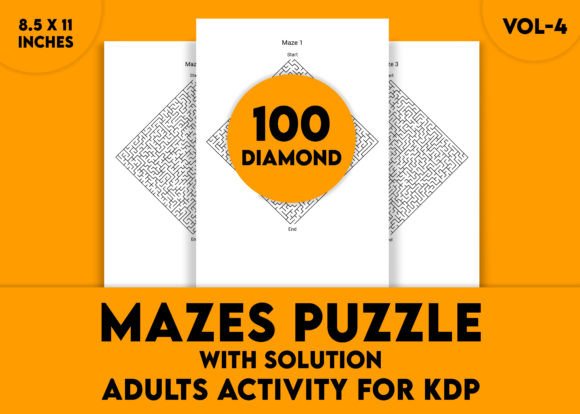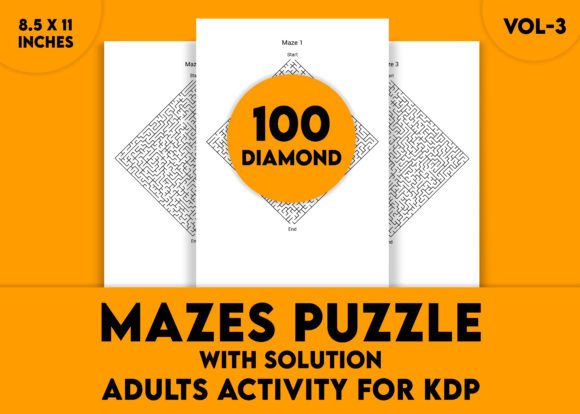
Hard Mazes for Advanced Puzzlers Vol-3
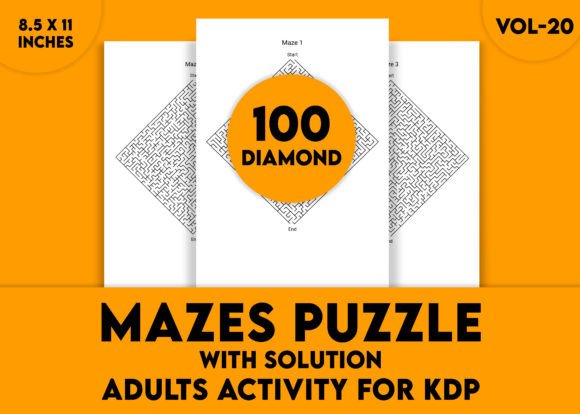
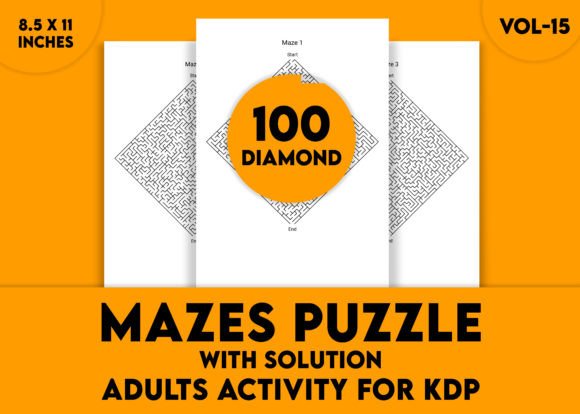
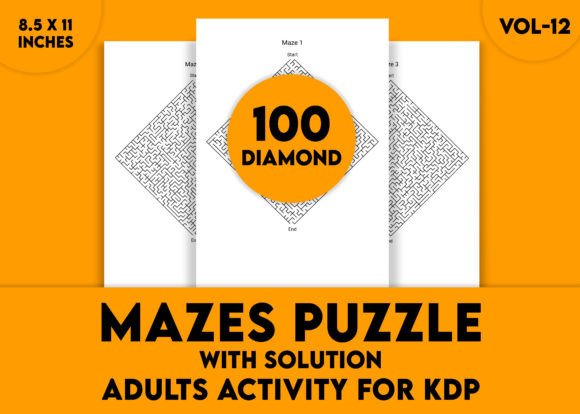
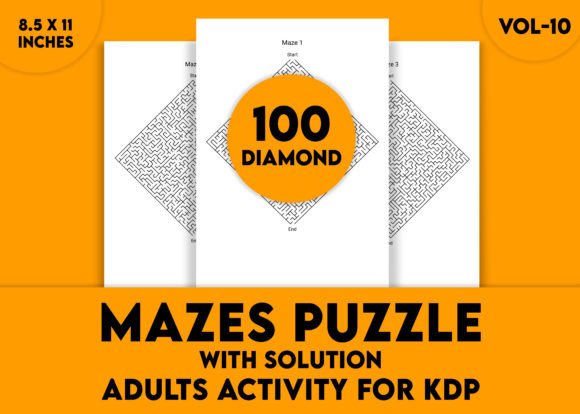
Imagine transforming a labyrinth of intricate, ever-twisting lines into a bold brand element or a captivating background pattern. Hard Mazes for Advanced Puzzlers Vol-3 isn’t merely a puzzle book — it’s a vault of 100 sophisticated, printable mazes on 8.5×11 inch sheets that double as a premium creative asset for graphic design professionals. Each page delivers a dense network of branching paths, loops, and unexpected obstacles, offering a geometric rigor that can inject complexity, movement, and a modern aesthetic into visual projects.
From the moment you open the editable PDF, you’re looking at a library of scalable line art that speaks directly to contemporary visual design. The clean, monochrome composition of every diamond‑per‑page maze functions like a raw vector framework waiting to be recolored, reshaped, or layered into branding and digital marketing materials. For designers, this means having an instant resource to test visual hierarchy, explore negative space, and build original creative assets without starting from scratch.
Why Maze Geometry Belongs in Your Design Toolkit
Maze patterns carry an inherent symbolic weight — they evoke journeys, problem‑solving, and discovery. When thoughtfully integrated, this visual language can reinforce brand identity for consultancies, tech startups, wellness brands, or any business that wants to communicate strategic thinking and clarity. The dense, uniform line work in Hard Mazes for Advanced Puzzlers Vol-3 sits comfortably within current design trends that favor line art, maximalist detail, and organic hand‑drawn textures. It’s a way to break free from sterile minimalism while maintaining a professional, polished look.
Because the mazes are delivered at a large print size and as an editable file, they are built for scalability. You can extract individual paths in Illustrator, adjust stroke weights, or convert segments into custom typography ligatures. The 1‑diamond‑per‑page layout ensures each puzzle has enough breathing room to be isolated and repurposed without clutter. Meanwhile, the 4‑solutions‑per‑page reference pages can even be deconstructed into a unique set of secondary marks, icons, or directional cues.
Practical Applications in Visual Design
Where can such intricate maze work actually shine in a real design workflow? Here are a few high‑impact uses that go far beyond simple puzzle recreation:
- Branding and logo design — Abstract a cropped section of a maze to form a memorable lettermark, badge, or icon that suggests connectivity and resilience.
- Packaging and print design — Use enlarged maze fragments as a repeat pattern on box liners, hang tags, or wrapping paper, turning a simple unboxing into a tactile experience.
- Social media graphics — Layer a semi‑transparent maze over photography to add depth and intrigue to Instagram stories, quote cards, or event announcements.
- Editorial design — Incorporate a full‑page maze as a stylized opener for magazine features, annual reports, or lookbooks, instantly signaling intellectual rigor.
- Web and UI design — Convert maze paths into subtle SVG animations, loading indicators, or background textures that enrich user experience without overwhelming content.
- Merchandise and apparel — Screen‑print a daring maze route onto T‑shirts, tote bags, or tech accessories for a conversation‑starting graphic.
Each application benefits from the mazes’ modular nature. Because the underlying structure is built on rhythmic lines and negative space, it remains legible even when cropped aggressively or recolored with a vibrant color palette. A single design asset can be repurposed across presentations, advertising campaigns, and creative projects, maintaining visual consistency while reducing production time.
Design Tips for Integrating Complex Line Art
Working with highly detailed maze graphics demands a careful eye for visual hierarchy and readability. Start by assessing the overall density. For branding applications, a busy maze may overpower a logo unless you simplify a section into a cleaner silhouette. In web design, pair the intricate line work with generous white space and bold typography to anchor the composition and guide the viewer’s attention.
Color is your strongest tool for taming complexity. Experiment with a restricted color palette — perhaps a single metallic ink on a dark matte background for packaging, or a gradient that follows the path’s progression for a social media graphic. Because the original files are editable, you can quickly assign stroke colors, apply blends, and test how the maze interacts with other visual design elements like photography, icons, or type.
Don’t overlook the emotional tone. The sharp, directional quality of these mazes can feel analytical and precise, perfectly suiting a fintech brand. Softening the edges slightly with a hand‑drawn filter or pairing it with an organic, flowing script font can pivot the same asset toward a more human, wellness‑oriented audience. Always align the final treatment with the overall modern aesthetics and user expectations of the project.
Scalability is another advantage. The 8.5×11 inch base gives you ample resolution for print design, and the vector‑friendly nature of the editable file means you can blow up a section to billboard size without losing crispness. When using maze patterns in UI design, test the line spacing at various screen sizes to ensure it doesn’t create a moiré effect or strain readability. A well‑placed maze accent in a hero section or as a subtle loading icon can significantly lift professional presentation and perceived brand value.
Ultimately, thoughtful graphic design is about making intentional choices, and Hard Mazes for Advanced Puzzlers Vol-3 offers a playground of intentional, complex geometry. Whether you’re crafting a new brand identity, refreshing a packaging design series, or seeking a unique design inspiration to break a creative block, this collection stands out as a versatile, high‑quality tool. When creative assets speak with this level of precision and originality, they don’t just decorate a layout — they sharpen the entire message, build trust, and leave a lasting visual impression that no generic stock graphic can match.