Designing with Word Search Puzzle for KDP Vol-1
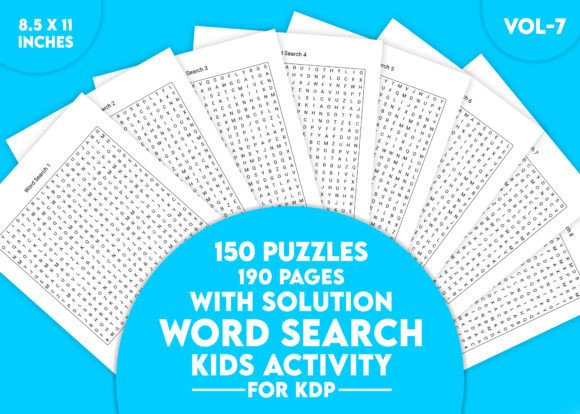
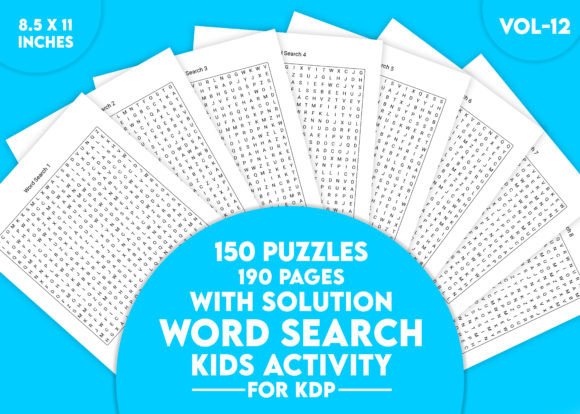
If you think of a Word Search Puzzle for KDP Vol-1 as merely a kids' pastime, you're missing a powerful creative asset hiding in plain sight. From a graphic design standpoint, a well-crafted puzzle book isn't just about hidden words — it's a carefully structured grid-based composition where typography, spatial balance, and visual clarity converge. Whether you're a KDP publisher, a branding specialist crafting engaging lead magnets, or a designer building interactive printables, this collection of 150 puzzles offers far more than entertainment. It delivers a ready-made framework rooted in solid visual design principles.
What Makes This Puzzle Collection a Standout Design Resource
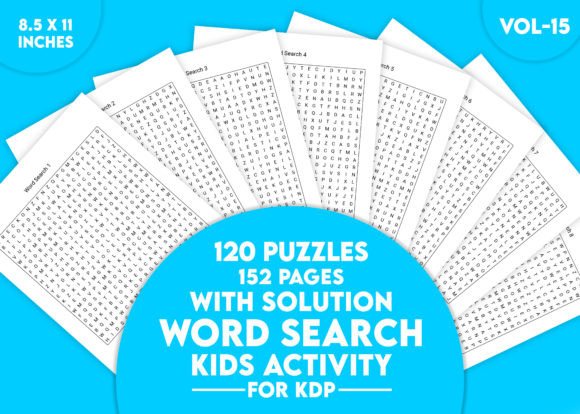
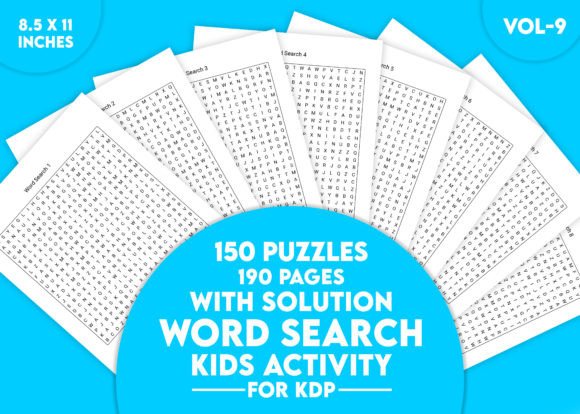
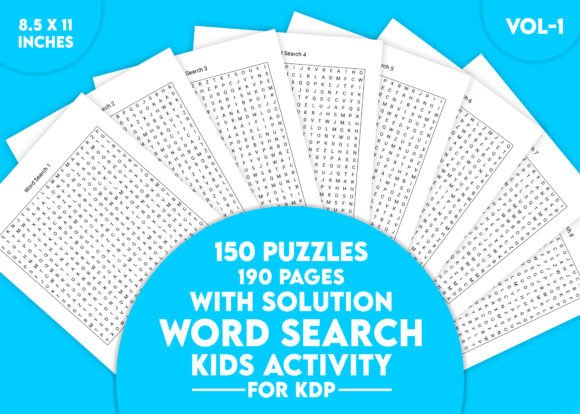
At its core, the Word Search Puzzle for KDP Vol-1 is a print-ready PDF built around clean editorial structure. Each puzzle occupies a full 8.5 × 11 inch page, creating generous white space that allows the letter grid to breathe. In graphic design, negative space is never wasted — it guides the eye, reduces cognitive load, and signals professionalism. The one-puzzle-per-page layout respects this principle, ensuring young solvers aren't overwhelmed by cluttered spreads. Meanwhile, solutions are grouped four per page, a practical choice that keeps the answer section compact without sacrificing legibility. This balance between puzzle density and solution accessibility reflects the same visual hierarchy thinking designers apply to magazine layouts, brochures, and UI screens.
Typography as a Functional Element
Word search puzzles live or die by their letterforms. The clarity of each character directly affects usability — a lesson every designer learns when selecting typefaces for body copy or signage. In this volume, the grid typography prioritizes readability above all else. Letters sit cleanly within their cells, with consistent stroke weights and uniform spacing that prevent visual confusion. For designers, this is a case study in how type selection serves user experience. The same logic applies to brand identity projects: a logo mark or tagline must remain legible at every scale — from a social media avatar to a billboard. When you evaluate creative assets like this puzzle set, you're training your eye to spot the subtle typographic details that separate polished work from amateur output.
Grid Systems and Visual Hierarchy in Puzzle Layouts
The hidden architecture of any word search is its grid. Grids are foundational in editorial design, web design, and UI design, dictating where elements land and how information flows. This puzzle collection uses a consistent grid structure that creates predictability — solvers instinctively know where to look. That same expectation applies to packaging design and print design, where consumers scan shelves in fractions of a second. A strong grid builds trust silently. In branding work, grids anchor logo placement on letterheads, business cards, and presentation decks, ensuring the brand identity feels cohesive across every touchpoint. The puzzle grid is a microcosm of that principle: simple, repeatable, effective.
Creative Applications Beyond the Obvious
Most publishers see a puzzle book and think of a standalone product. A designer sees raw material. Here are several ways creative professionals can leverage a resource like Word Search Puzzle for KDP Vol-1 in broader projects:
- Lead magnets for digital marketing. Extract a handful of puzzles, apply brand colors and custom typography, and offer a free downloadable activity pack to grow an email list. The puzzles become a brand identity touchpoint disguised as value-add content.
- Social media graphics and engagement tools. Crop a puzzle section, overlay it on a branded background, and post it as an interactive story or carousel. This turns a static asset into a conversation starter — exactly what modern digital marketing demands.
- Educational merchandise and printables. Pair puzzles with custom illustrations or mascots and sell themed bundles on platforms like Etsy or Gumroad. The underlying puzzle structure stays consistent; the visual design wrapper differentiates your brand.
- Client onboarding kits and team-building materials. Agencies and studios can incorporate branded puzzle sheets into welcome packets, adding a playful twist that reinforces company culture without compromising professional presentation.
Color Palette and Contrast Considerations
While the puzzle PDF arrives ready to use, designers who customize it should pay close attention to contrast ratios. Light gray grids on off-white backgrounds may look elegant but can strain young eyes or fail accessibility checks. If you're adapting these puzzles for digital products, ensure the lettering and grid lines meet WCAG contrast standards — a habit that carries over into UI/UX design, web accessibility, and inclusive branding. Thoughtful color palette choices can also align the puzzles with seasonal campaigns or brand guidelines, transforming a neutral activity sheet into a cohesive extension of a larger visual design system.
Why Scalability and Consistency Matter
Designers obsess over scalability — can a logo shrink to favicon size without losing recognition? Does a responsive web layout hold together on mobile? The Word Search Puzzle for KDP Vol-1 answers similar questions at the page level. With 150 puzzles spanning multiple themes and difficulty tiers, the underlying template remains uniform. That consistency reduces production friction and ensures every page feels part of a coherent family. For branding and creative projects, this is the holy grail: a system that scales without fracturing. It mirrors the logic of design systems in large organizations, where component libraries keep visual hierarchy intact across teams and platforms.
From Puzzle Pages to Polished Portfolios
There's also a quieter lesson here for emerging designers. Arranging text-heavy content — whether a puzzle grid, a restaurant menu, or a annual report spread — demands the same core competencies. You learn to manage density, respect margins, and prioritize function without sacrificing form. The inclusion of solutions in this set reinforces accountability; answers aren't hidden or truncated. For designers, that translates to a principle of transparency in client work. Present your rationale. Show your process. A clean editorial design approach builds credibility, whether you're typesetting a book interior or laying out an advertising campaign.
Ultimately, effective design choices don't happen by accident. A resource like the Word Search Puzzle for KDP Vol-1 demonstrates that even seemingly simple products benefit from intentional structure, legible typography, and user-centered layout decisions. When you approach every creative asset with that mindset — whether it's a puzzle page, a logo design concept, or a full branding suite — you elevate both the aesthetic experience and the clarity of communication. In a landscape where audiences skim and scroll faster than ever, that clarity isn't just nice to have. It's the difference between work that gets ignored and work that gets remembered.