Connect Four Interior for KDP Vol-15: Classic Game Grids
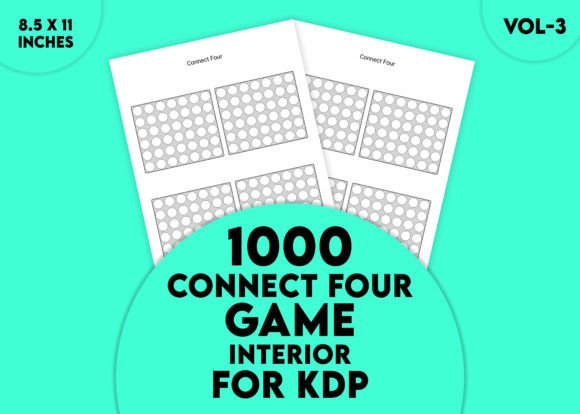
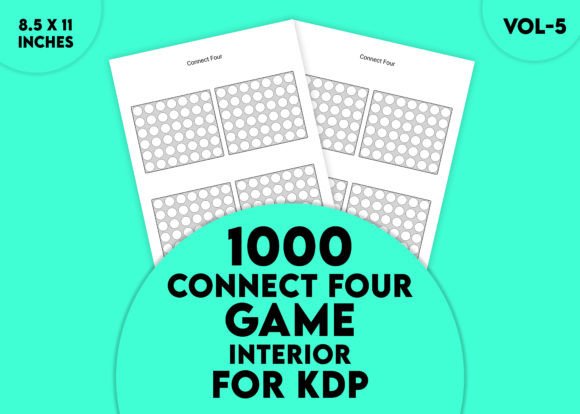
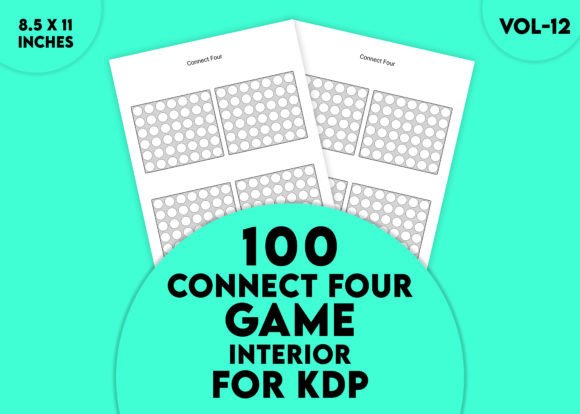
There is a reason low-content and activity books continue to dominate KDP bestseller lists: they deliver a tactile, focused escape from screen fatigue. Among these, game-based interiors carry a special nostalgic weight. The Connect Four Interior for KDP Vol-15 taps directly into that appeal, packaging the beloved two-player strategy game into a clean, scalable, book-ready format. This is not a simple scan or a hastily doodled grid. It is a thoughtfully proportioned design asset, repeated across 100 pages, with four separate game boards sitting on each 8.5 by 11-inch sheet. For publishers, educators, parents, and stationery designers, this becomes a flexible foundation for a branded product line, a classroom resource, or a memorable event giveaway.
What you immediately notice when opening the PDF is the deliberate commitment to visual clarity. Each individual playing field is framed by a precise set of 42 circles, arranged in the classic six-rows-by-seven-columns sequence. The line weights are consistent, the spacing breathes, and the margins give you room for binding, hole-punching, or adding headers without crowding the game area. There is no decorative clutter, no childish iconography forced upon you. This restraint is its personality—a clean, modern blank canvas that invites customization. It feels professional, structured, and ready for your own typographic layering, whether you are a crafty blogger designing a road-trip activity pad or a brand strategist creating corporate retreat materials.
A Rhythmic Design Engine for Print Creators
At first glance, repeating four identical grids on a single page sounds simple. In practice, however, maintaining perfect alignment across 100 pages—especially when preparing for commercial print—can become a layout nightmare. The Connect Four Interior for KDP Vol-15 solves that by delivering a meticulously formatted, editable PDF master. The repetition works like a visual mantra. When a player or parent flips through the bound book, the consistency of the grid placement from page to page creates an invisible rhythm. It anchors the eye, builds trust, and reinforces a sense of quality. This rhythmic repetition subtly influences the user’s perception of value; a haphazardly aligned interior feels amateurish, while this uniform grid signals a premium, thoughtfully produced product.
For graphic designers adding their own brass and wax seal logos to the footer, or illustrators sprinkling themed borders into the generous white space, the interior readily absorbs brand elements without fighting back. The large 8.5 x 11 inch trim size is particularly generous here. On a smaller format, four full games would feel squeezed, forcing players to scribble tiny X’s and O’s in cramped hollows. Here, each discrete playing field has enough room for a standard pencil tip or even a small stamp, making it genuinely functional for children developing fine motor skills and older adults enjoying a screen-free coffee break alike.
Repurposing Structure Across Multiple Niches
The versatility of this interior defies a single category. It thrives far beyond the standard “games for kids” niche, though it performs exceptionally well there. Consider these parallel applications currently underserved in the marketplace:
- Couples’ Connection Journals: Include prompts like “Loser makes dinner” or “Winner picks the movie” handwritten above each grid. Paired with a serif font cover, this becomes a unique relationship activity book.
- Travel Logs & Road Trip Kits: Trim the pages slightly or publish a spiral-bound version. The flat layout stays open in a car lap tray, and the four-page repeat reduces paper waste dramatically.
- Teacher’s Math Manipulative: Use the grids for probability lessons, strategic thinking demonstrations, or even as custom bingo cards by replacing colored discs with math problems. The consistent structure supports educational rigor.
- Corporate Icebreaker Pads: Stripping away childish branding and uploading the PDF to a print-on-demand rigid notebook cover creates a sleek networking tool for conferences.
What makes these cross-niche jumps possible is the deliberately neutral design language of Connect Four Interior for KDP Vol-15. It carries no prescribed theme. There is no Comic Sans heading baked into the PDF that screams “toddler.” Instead, the clean sans-serif-like geometry of the circles and the uniform stroke widths give you a modern typography-adjacent modularity. It behaves almost like a grid system in editorial design, providing a skeletal structure you flesh out with your own visual voice. When you wrap the interior in a sophisticated script-font title and matte laminate cover, the book shifts its identity entirely from children’s toy to adult brain-training tool.
Visual Hierarchy Through Strategic White Space
One of the quietest powers of this interior is how it orchestrates the reader’s eyes using emptiness. In a busy 8.5 by 11 inch layout, an amateur designer often falls into the trap of filling dead space with superfluous clip art. The designer of this PDF trusted the grids to own the page. Ample padding separates the four playing fields from each other and from the trim edges. This intentional white space creates a crystal-clear visual hierarchy: the grids are undeniably the heroes of the composition.
For brand perception, white space translates into luxury and professionalism. Even if this paperback costs $8.99 on Amazon, the generous margins elevate it above a cluttered dollar-store item. The brain perceives the open border as breathing room, which makes the strategic game inside feel less like a frantic race and more like a thoughtful puzzle session. From a functional readability standpoint, those distinct channels between games prevent score-keeping marks, eraser crumbs, or wandering eyes from bleeding into the adjacent match. When two people play side-by-side, the physical separation respects personal space, improving engagement length.
Pairing Your Cover Design with the Interior’s Grid Logic
A successful KDP launch hinges on the conversation between the cover and the interior. Because the Connect Four Interior for KDP Vol-15 foundation is so rationally geometric, you have immense freedom with your cover typeface selections. A bold, chunky display font with rounded counters echoes the circular tokens of the game itself, creating a cohesive brand identity from shelf to inside page. If you lean into the retro arcade personality, pairing it with a pixelated or slab serif font for the cover title feels instantly nostalgic.
Conversely, if you are targeting a minimalist, adult mindfulness niche, consider setting your cover title in a thin, elegant uppercase sans serif and coloring the circle edges in muted earth tones. The contrast between a delicate cover typography and the pronounced interior grids generates a sophisticated tension that highly visual curation blogs and Instagram accounts adore. Before committing, test your font pairings on a printed mock-up. Because the interior lines are thin-to-mid weight and purely functional, overly ornamental or distressed typefaces on the cover can feel disconnected from the clean play surface inside. Aim for a visual throughline: if the interior represents clarity, your cover should avoid unnecessary noise.
Adjusting the Editable PDF for Specific Audiences
Since the file is tagged as editable, smart publishers can make subtle modifications to tailor the bestseller even further. Leaving the grid untouched is wise for the structural backbone, but the surrounding real estate is your playground. Try adding a soft, transparent dot-pattern background on odd pages and leaving even pages stark white. This creates a subtle flip-book texture when rifled through. Alternatively, insert a single-line header space above the first grid on each page where users can write the date or track wins across a tournament bracket.
If you are not a designer, however, resist the urge to over edit. The beauty of this specific PDF is its pristine, ready-to-upload nature. Overloading it with cursive 72-point rick-rack borders in a basic PDF viewer can introduce alignment drifts and invalid character warnings during the KDP review process. Often, the most profitable approach is to leave the interior untouched, focus your energy on crafting a series of compelling theme variants, and let the 100 pages of perfectly spaced Connect Four games serve as the reliable utilitarian core of your product line.
Readability, Binding, and Practical Production Notes
Printing a game interior differs sharply from printing a lined journal. The primary usability requirement is that a player can place a disc, check, or mark without the physical book slamming closed. KDP offers three main binding options for this trim size, and your choice dramatically affects the user experience. Paperback perfect binding looks polished on a retail shelf but can struggle to lay flat on a table, making it frustrating for two players sharing one book. For the best reception, consider designing a cover that explains the book works best when “snapped” against a table to break the spine, or test print a copy to see if your local printer’s cold glue formula allows for more flexibility.
Alternatively, many creators order their own author copies in bulk and replace the perfect binding with a spiral coil at a local print shop before selling directly at craft fairs. The large 8.5 by 11 inch sheets hold up beautifully under a comb-binding punch without cutting into the game bubbles. If you do go the spiral route, remember the left margin on the interior appears generous, but you should still inspect the PDF in “two-page view” to ensure no token-slots get trapped in the coil gutter on alternating pages. The template is generally safe, but a five-minute visual check saves a batch of negative reviews citing “unplayable puzzles.”
Commercial Licensing and Brand Consistency
For small business owners, graphic artists, and marketers who monetize, licensing clarity is everything. Before uploading to KDP, confirm that the usage terms attached to this editable PDF explicitly allow commercial reproduction and resale within a compiled book format. Most resources for content creators are drafted with this in mind, but verifying you hold the right to sell unlimited printed copies under your own brand prevents future anxiety. Once cleared, you can build a recognizable series. Perhaps Volume 15 is the “Summer Road Trip Edition,” Volume 16 becomes the “Vintage Arcade Night” variant, and Volume 17 targets the holiday stocking-stuffer market—all resting on the same trusted interior architecture.
This consistency also strengthens your brand identity across an entire storefront catalog. When customers recognize the distinct, clean grid layout of your game books in search results, they begin to associate your author name with high-quality, spacious, playable interiors. This is the exact principle that drives type foundries and premium stock libraries: releasing a family of cohesive design assets builds a reputation that a single disparate product cannot. The Connect Four Interior for KDP Vol-15 functions as the sturdy base of that asset family, reliable and repeatable, whether this is your first book or your fiftieth.
Ultimately, what makes this specific interior stand out in a marketplace flooded with puzzle templates is its respect for white space, its scalable four-grid efficiency, and its unthemed adaptability. It does not try to distract you with loud characters or competing patterns. It simply provides 100 pristine canvases where the game itself is the focal point, arranged for the standard letter-sized paper that readers expect. You supply the cover story, the niche angle, and the marketing audience; this interior delivers the timeless, strategic gameplay with print-ready precision.